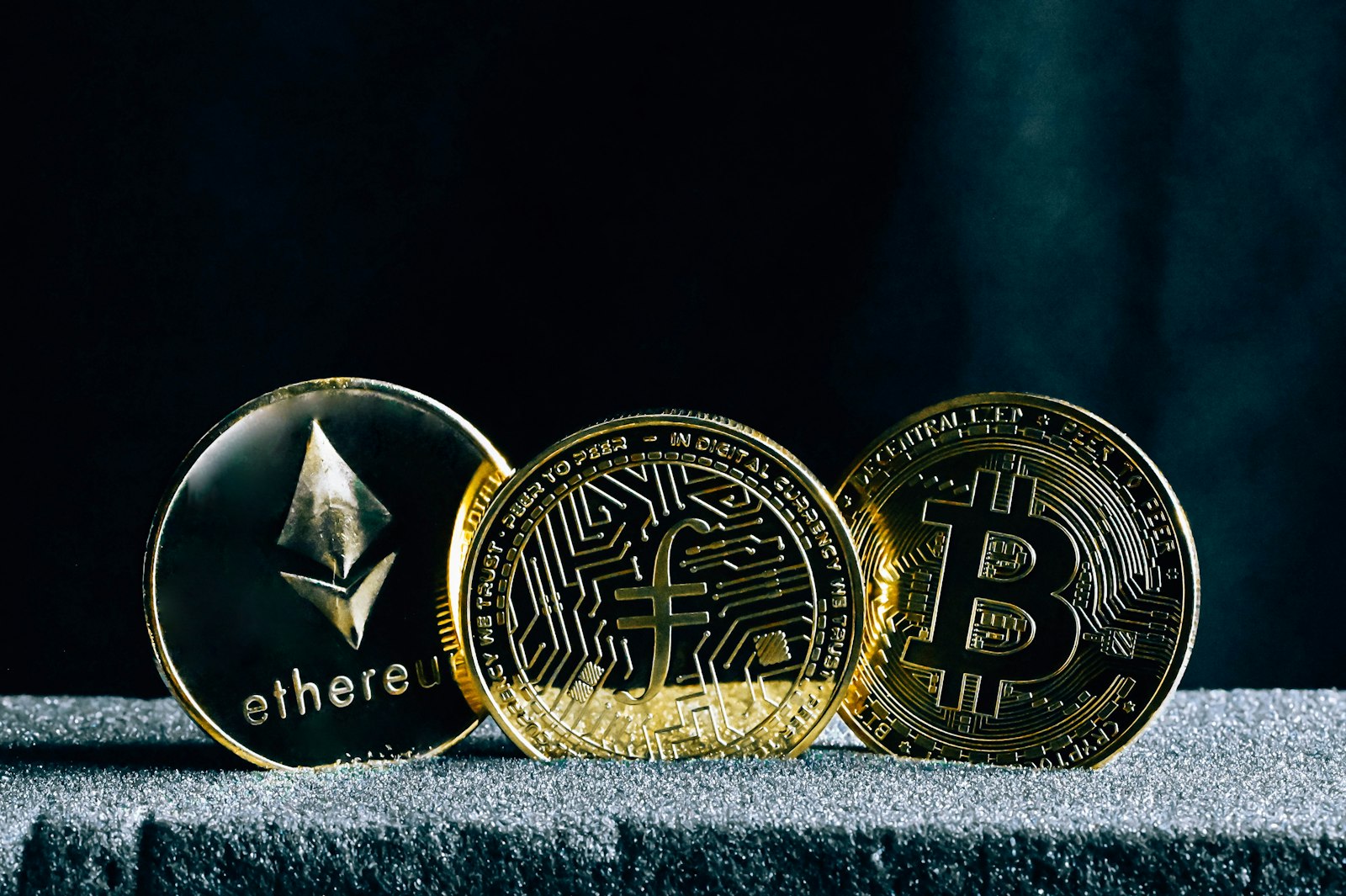
Staking is earning rewards for locking up crypto to help secure a blockchain — a bit like interest, but not risk-free and not tax-free. Here's how staking works in the UK in 2026, realistic rewards, the risks nobody mentions, and how HMRC taxes it.
Staking is the process of locking up your crypto to help run and secure a proof-of-stake blockchain — and getting paid rewards for doing it, a bit like earning interest on savings. In the UK in 2026 you can stake coins like Ethereum, Solana, and Cardano through exchanges or your own wallet, typically earning a few percent a year. But it's not a savings account: your crypto can fall in value, rewards vary, funds can be locked up, and — the part people forget — HMRC taxes staking rewards as income when you receive them.
I'll be upfront: "earn passive income on your crypto" pitches make staking sound like free money. It isn't. The rewards are real, but so are the risks, and the tax treatment catches a lot of people off guard.
Staking means committing your coins to a proof-of-stake network to help validate transactions, in exchange for rewards paid in that same coin. Proof-of-stake blockchains — Ethereum being the biggest — rely on people putting up ("staking") their coins as a security deposit. Those stakers help confirm transactions, and the network pays them rewards for honest participation. Cheat, and you can lose part of your stake.
You don't usually need to run technical equipment. Most UK users stake in one of two ways: through an exchange that stakes on your behalf, or by delegating from a wallet. The reward rate depends on the coin — Ethereum, Solana, Cardano, Polkadot and others each have their own. Our Ethereum staking guide and Polkadot guide go coin-specific.
Typically a low single-digit to low double-digit percentage a year, depending on the coin — but the "yield" can be misleading. Ethereum staking has generally paid a few percent annually; some smaller networks advertise higher rates, but higher advertised yields often reflect higher inflation or higher risk, not free money. A 12% reward on a coin whose supply is inflating 10% isn't what it looks like.
| Coin | Typical staking style | Notes |
|---|---|---|
| Ethereum | Exchange or pooled staking | Largest, most established |
| Solana | Delegate to a validator | Faster network, higher variance |
| Cardano | Delegate to a stake pool | No lock-up on delegation |
| Polkadot | Nominate validators | Bonding/unbonding periods apply |
Treat advertised APYs sceptically and check whether rewards are eroded by inflation, fees, or lock-ups. And remember the reward is paid in a volatile coin — a 5% yield means little if the coin drops 30%. Our earn interest on crypto guide covers the wider "crypto yield" landscape.
Price falls, lock-up periods, slashing, and platform failure. The main things that can go wrong:
None of this makes staking a bad idea — it just means "risk-free interest" is the wrong mental model. Only stake coins you're comfortable holding through a downturn.
HMRC treats staking rewards as taxable income at the point you receive them, based on their sterling value that day — and you may face capital gains tax later when you sell. This is the catch that trips people up. When you receive a staking reward, its market value in pounds counts as miscellaneous income (or trading income, in some cases), potentially taxable even though you haven't sold anything.
Then, when you later sell or swap those reward coins, that's a separate disposal for capital gains tax, using the reward-date value as your cost. So one staking reward can be taxed twice — once as income on receipt, once on any gain when sold. Keep a dated record of every reward and its sterling value. Our crypto income tax guide and capital gains guide explain it, and crypto tax software can automate the record-keeping.
Is crypto staking safe? It's lower-effort than trading but not risk-free. Your staked coin can fall in value, funds may be locked up, and staking through a platform carries the risk that platform fails. The network reward itself is real, but the coin's volatility is the bigger risk. Only stake what you can afford to hold through a downturn.
How much can I earn staking crypto? Usually a low single-digit to low double-digit annual percentage, depending on the coin. Be wary of very high advertised yields — they often reflect high inflation or high risk rather than genuine extra return. Rewards are paid in the coin, so a falling price can wipe out the yield.
Do I pay tax on staking rewards in the UK? Yes. HMRC treats staking rewards as taxable income at their sterling value when you receive them. When you later sell those coins, any gain is also subject to capital gains tax. Keep a dated record of each reward's value.
Can I unstake my crypto whenever I want? It depends on the network and platform. Some allow instant unstaking; others impose lock-up or "unbonding" periods of days or weeks before you can access your coins. Check the specific rules before staking, especially if you might need the funds quickly.
What's the difference between staking and saving? A savings account pays interest in pounds and is FSCS-protected up to £85,000. Staking pays rewards in a volatile crypto with no protection scheme, and your capital can fall. They're not equivalent — staking is an investment activity, not a safe place to park cash.
If you want to try staking, start with a coin you already hold and understand, stake a small amount through an FCA-registered platform or a wallet you control, and log every reward's date and sterling value for tax from day one. Don't be seduced by double-digit "APYs" without checking what's behind them. This isn't financial advice — staking is investing, with all the risk that implies. Our earn interest on crypto guide covers the alternatives.
We use cookies to enhance your experience. By clicking "Accept", you agree to our use of cookies for analytics. See our Privacy Policy.