
Market Analysis
Bitcoin Stuck Near $60,000 Ahead of the Fed: What UK Investors Are Watching (July 2026)
Bitcoin spent late July 2026 stuck in a nervous range near $60,000, with traders waiting on the Federal Reserve. Here's why the price stalled, the levels analysts are watching, and how UK investors should think about it — without pretending anyone can predict it.
Long-Term vs Short-Term Crypto Investing: Which Suits You? (UK, 2026)
Long-term 'HODLing' means holding crypto for years through the swings; short-term trading means buying and selling for quick gains. Most people who try trading lose to those who simply hold. Here's an honest comparison for UK investors — including the tax gap.
Stablecoins Are Shrinking as Money Chases Memecoins: What's Going On (2026)
The stablecoin market has lost over $10 billion since May 2026 as money rotates into memecoins chasing quick gains. Here's what this 'rotation' actually signals, why it's a classic late-cycle warning sign, and what UK investors should make of it.
Can You Buy a Crypto Index Fund in the UK? What Your Options Really Are (2026)
A traditional 'crypto index fund' the way you'd buy a stock index fund isn't really available to UK retail investors — but there are related options like crypto ETNs and baskets. Here's what exists, what doesn't, and how UK investors get diversified crypto exposure.

Crypto Bull and Bear Markets Explained: Understanding the Cycles (UK, 2026)
Crypto moves in cycles — bull markets of soaring prices and euphoria, bear markets of falling prices and despair. Understanding these cycles helps UK investors keep their heads. Here's what drives them, the Bitcoin halving link, and why timing them is so hard.
Crypto Risk Management for UK Investors: The Rules That Actually Matter (2026)
Most people lose money in crypto not from bad picks but from bad risk management — over-investing, no plan, and emotional decisions. Here are the risk rules that actually protect UK investors: position sizing, only-lose-it money, security, and emotional discipline.

Why High Interest Rates Are Weighing on Crypto in 2026 (UK View)
Crypto has slumped in 2026 largely because interest rates stayed high — when cash and bonds pay well, speculative assets struggle. Here's the plain-English link between rates and crypto, why the Fed matters more than any coin's tech, and what it means for UK holders.
When Should You Sell Crypto? A UK Guide to Taking Profit (2026)
Knowing when to sell crypto is harder than knowing when to buy — greed and fear sabotage most people. There's no magic signal, but there are sensible rules: a plan set in advance, profit-taking targets, and the UK tax angle you must not ignore.
Crypto vs a Savings Account: Where Should Your Money Go? (UK, 2026)
A savings account is safe, protected, and pays modest guaranteed interest; crypto is high-risk, unprotected, and could rise or crash. They're not alternatives — they do completely different jobs. Here's how a UK saver should think about the two in 2026.

Crypto vs Property: Which Is the Better Investment in the UK? (2026)
Property offers stability, rental income, and leverage; crypto offers high potential upside and liquidity but brutal volatility. For UK investors in 2026, they're almost opposites. Here's an honest comparison — and why it's rarely an either/or.
How to Diversify a Crypto Portfolio in the UK (Without Kidding Yourself)
Diversifying crypto means spreading risk across different coins and types — but here's the catch most guides skip: crypto is so correlated that holding 20 coins isn't as diversified as it feels. Here's how to diversify sensibly, and its real limits.
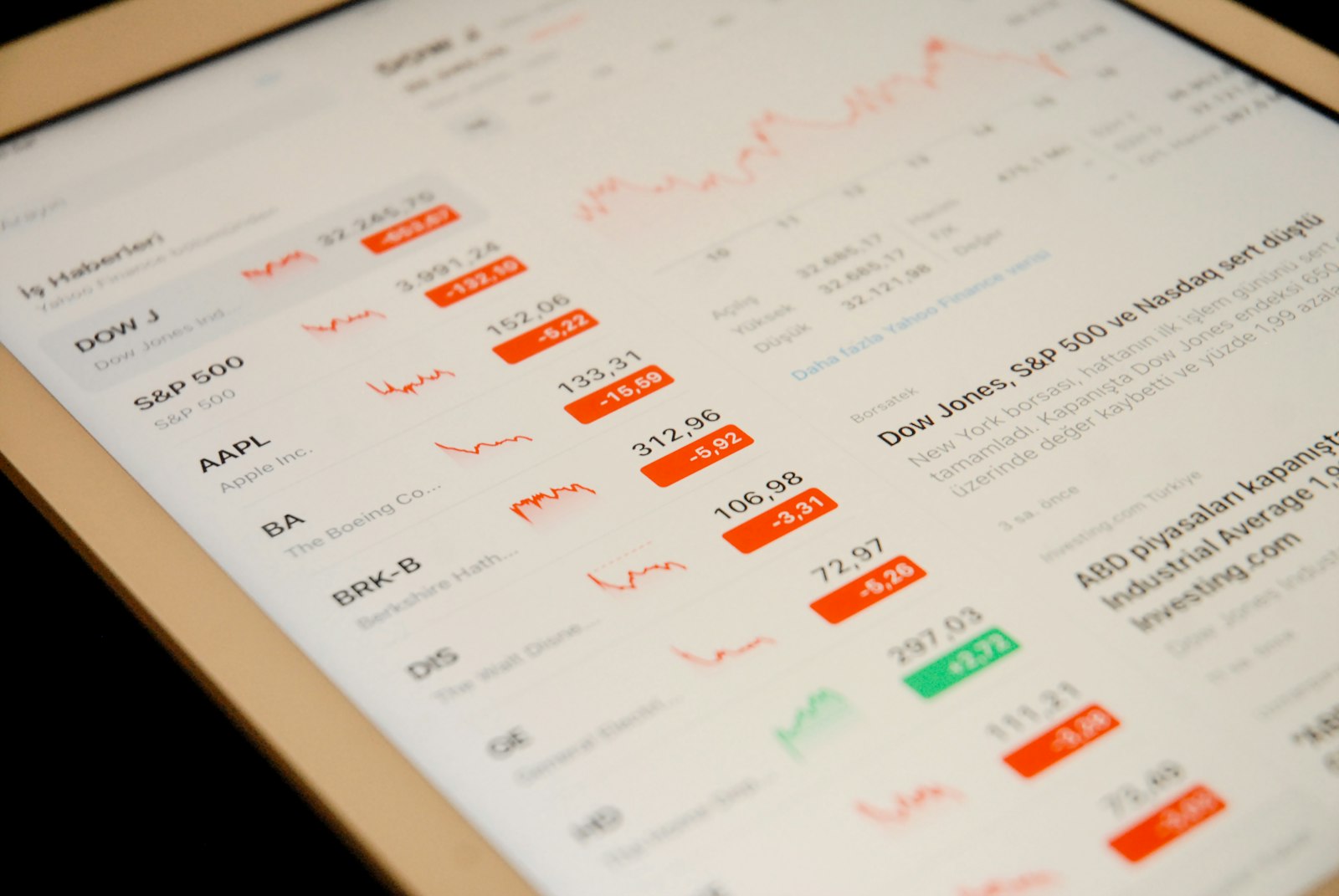
How Much of Your Portfolio Should Be in Crypto? (UK Guide, 2026)
There's no official rule, but many cautious investors keep crypto to a small slice — often cited as 1–5% — of their overall portfolio, precisely because it's so volatile. Here's how to think about crypto allocation sensibly as a UK investor, without the hype.
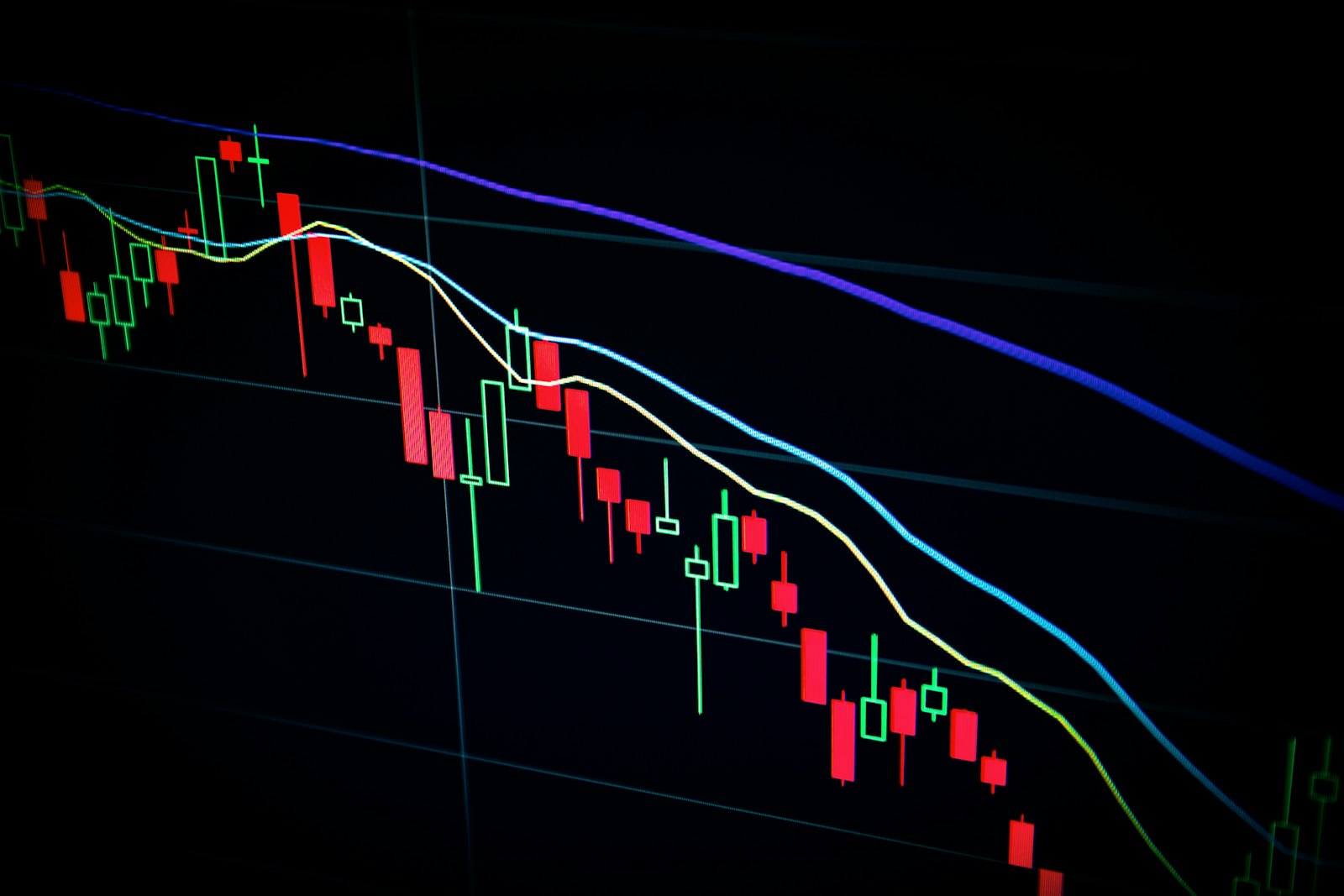
The Crypto Fear and Greed Index: What It Is and How to Use It (2026)
The Crypto Fear and Greed Index is a 0–100 gauge of market emotion — 0 is extreme fear, 100 is extreme greed. It's a handy sentiment snapshot, not a crystal ball. Here's what it measures, how UK investors use it sensibly, and its limits.

Dollar-Cost Averaging Crypto in the UK: Does It Actually Work? (2026)
Dollar-cost averaging (DCA) means investing a fixed amount at regular intervals instead of all at once — smoothing out crypto's wild swings and taking emotion out of it. Here's how DCA works for UK crypto investors in 2026, its pros and cons, and the tax angle.

How Much Money Do You Need to Start Investing in Crypto? (UK, 2026)
You can start investing in crypto in the UK with as little as £1 — most exchanges let you buy tiny fractions of a coin. But the better question isn't the minimum; it's how much you can afford to lose. Here's a sensible way to decide how much to start with.
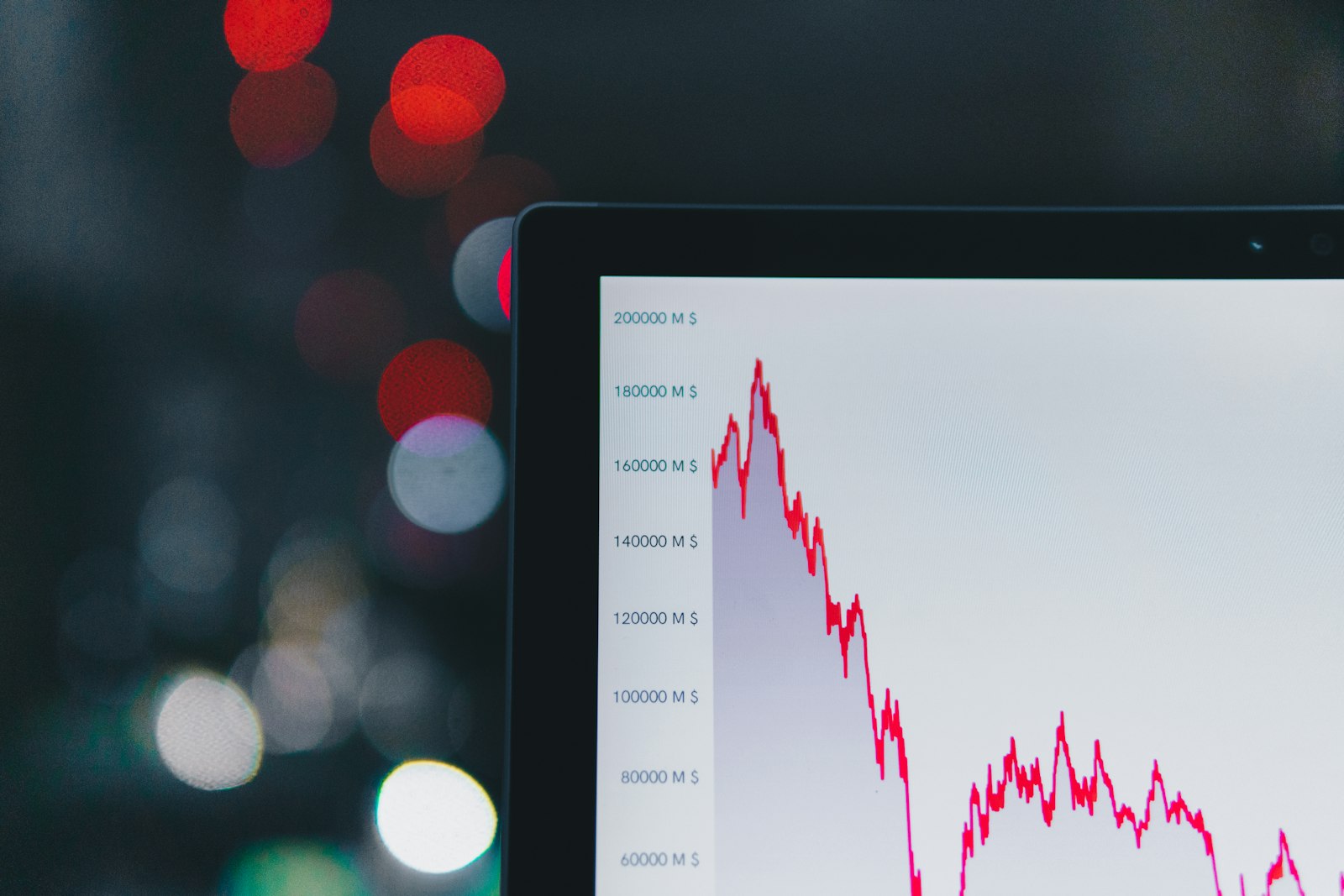
Bitcoin ETFs Just Had Their Worst Month Ever: What It Means for UK Investors
Bitcoin ETFs bled a record $4.5 billion in June 2026, and Citi cut its 12-month inflow forecast to zero. Here's what the outflows actually mean, why they're happening, and what UK investors — who mostly can't buy US spot ETFs anyway — should take from it.

Crypto Market Cap Explained: What It Really Tells You (UK, 2026)
Market cap is a coin's price multiplied by how many coins exist — a better size gauge than price alone. But it's widely misunderstood, and a low price doesn't mean a coin is 'cheap'. Here's what crypto market cap really tells you, and what it hides.
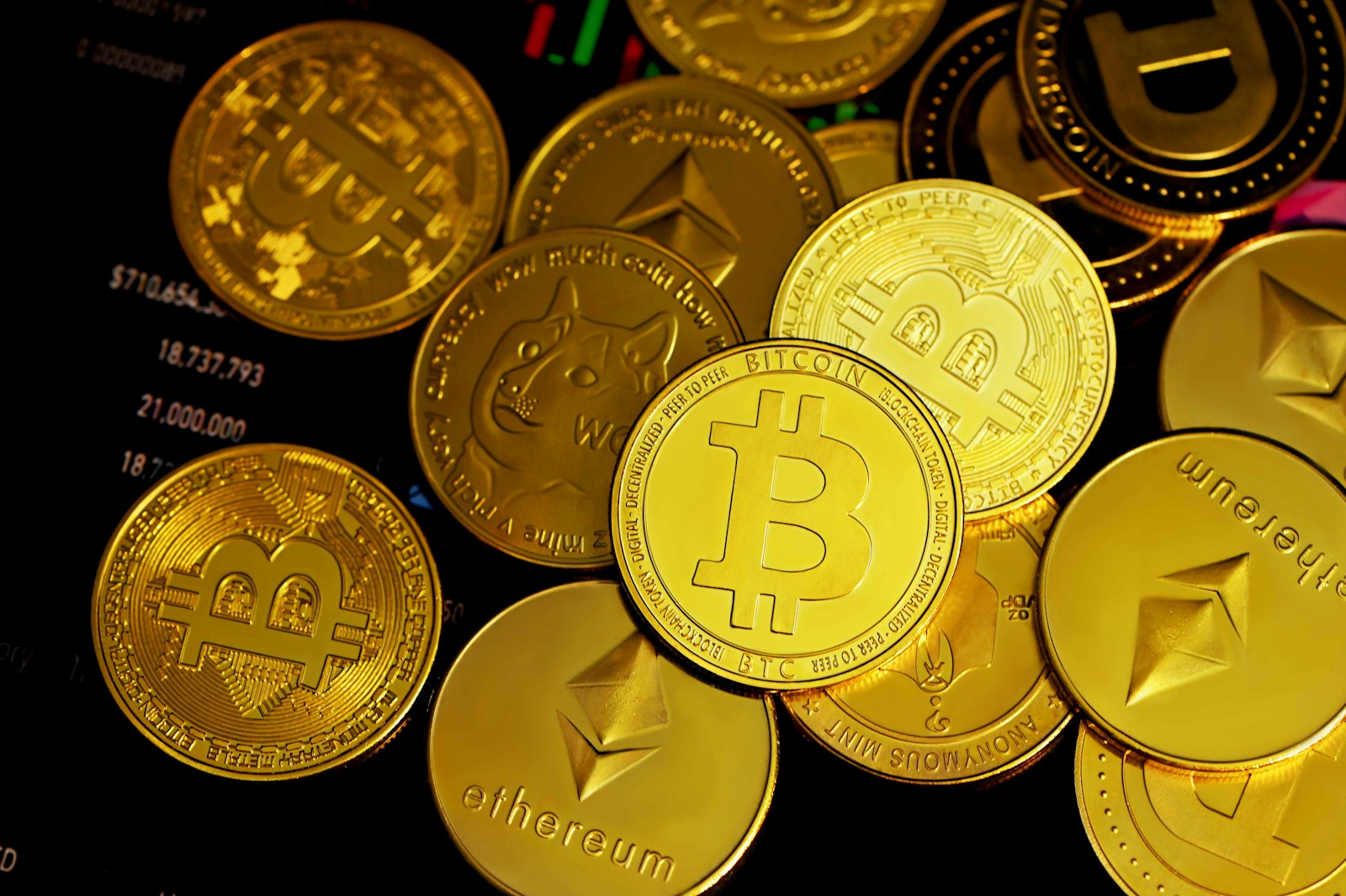
Coinbase vs Kraken UK 2026: Which Exchange Is Better for You?
Coinbase wins on beginner-friendliness; Kraken wins on lower fees and depth for active traders. Both are FCA-registered and support GBP. Here's how Coinbase and Kraken compare for UK users in 2026 — fees, ease, security, and who each one suits.

Revolut Crypto UK: How It Works, Fees, and the Big Catch (2026)
Revolut makes buying crypto as easy as topping up your account — but there's a catch most users miss: for a long time you couldn't move crypto out. Here's how Revolut crypto works in the UK in 2026, what it really costs, and whether it's right for you.

How to Research Which Crypto to Buy in the UK (2026): A Sensible Framework
No one can tell you which crypto to buy — but you can learn to judge one properly. This UK framework covers what to check before buying any coin in 2026: use case, team, tokenomics, liquidity, red flags and the tax you'll owe. Not advice, a method.

Crypto vs Gold: Which Is the Better Hedge for UK Investors in 2026?
Gold is the proven, low-volatility store of value with centuries of history; Bitcoin is the high-risk, high-potential digital challenger. For UK investors in 2026, the honest answer is they do different jobs — and the tax treatment differs sharply too.

Are Stablecoins Safe? A UK Investor's Reality Check for 2026
Stablecoins are safer than volatile crypto but not risk-free — they can lose their peg, the issuer's reserves can fall short, and UK holders get no FSCS protection. Here's what actually makes a stablecoin safe, and the tax quirk Britons keep missing.
Best Crypto Exchanges in the UK for 2026: FCA-Registered Platforms Compared
The best UK crypto exchange in 2026 is the one that's FCA-registered, supports Faster Payments in sterling, and charges fees you can actually see. Here's how Coinbase, Kraken, eToro, Uphold and others compare for British users.
Best Crypto Apps in the UK for 2026: FCA-Registered Picks Compared
The best crypto app for a UK user in 2026 is an FCA-registered one with Faster Payments, clear fees and solid security. Coinbase wins for beginners, Kraken for cost, Revolut for convenience. Here's how the main apps compare for British users.

Best Crypto Debit Cards in the UK for 2026: Cashback, Fees and the Catch
The best crypto debit card in the UK for 2026 depends on whether you'll stake a native token. Crypto.com, Plutus, Wirex and Nexo lead on rewards — but the headline cashback rates almost always require a stake or subscription. Here's the honest comparison.
Why Bitcoin Stalled in Mid-2026: A UK Investor's Market Read
Bitcoin has spent mid-2026 stuck between roughly $60,000 and $67,000 — around £45k–£50k — as ETF outflows, a strong dollar and institutional caution cancel each other out. What's driving the range, and what UK holders should watch.
Is Bitcoin a Good Investment in the UK? A 2026 Reality Check
Whether Bitcoin is a good investment for you depends on your time horizon, your stomach for 50% drawdowns, and whether you can afford to lose the money. This is not advice — it's an honest look at the case for and against, for UK investors in 2026.
Can You Buy Tokenised Stocks in the UK? Why Kraken and Robinhood Say No
Tokenised stocks let you buy on-chain versions of Apple or Tesla shares 24/7 — except you can't, if you're in the UK. Kraken's xStocks and Robinhood's tokens both exclude British users. Here's why, and what would have to change.
USDT vs USDC: Which Stablecoin Should UK Users Choose in 2026?
USDC is the more transparent, more regulated stablecoin; USDT is the most liquid and widely accepted. For UK users in 2026, that's the core trade-off — plus a tax quirk most people miss. Here's how Tether and USD Coin compare.

AI Deepfake Crypto Scams: Why UK Investment Fraud Losses Hit £221m
UK investment scam losses reached £221m as AI supercharges crypto fraud — deepfake ads of Keir Starmer, romance bots that chat for weeks, and fake platforms that look flawless. Here's how the new scams work and the checks that still catch them.
Is Polymarket Legal in the UK? Prediction Markets, the FCA and the Gambling Commission
Polymarket is blocked for UK users — caught between the FCA's binary options ban and the Gambling Act. Here's why prediction markets are off-limits in Britain, what counts as a workaround, and what the Gambling Commission is expected to say next.
Best UK Banks for Crypto in 2026: Which Let You Buy Without Blocks?
Not all UK banks treat crypto the same — some allow smooth payments to FCA-registered exchanges, others block or limit them for fraud protection. Here's which UK banks are crypto-friendly in 2026, why blocks happen, and how to move money without getting frozen.
Crypto vs Stocks: Where Should UK Investors Put Their Money in 2026?
Stocks give you a share of real businesses with a long track record and investor protections; crypto offers higher potential upside, higher risk and no safety net. For UK investors in 2026, they suit different goals — and the tax and protection differences are big.
Why UK Banks Block Crypto Payments — and Your Rights From April 2026
Two in five UK crypto payments were blocked or delayed last year, and some banks ban exchange transfers outright. Here's why it happens, which banks restrict crypto, and the new debanking protections that started on 28 April 2026.

The UK's Digital Gilt: What the DIGIT Pilot with HSBC Means
HM Treasury has picked HSBC Orion to run DIGIT, the UK's first blockchain-based gilt issuance — putting Britain in pole position to become the first G7 nation with a tokenised sovereign bond. Here's why it matters.
Bitcoin vs Ethereum: What's the Difference, and Which Should UK Investors Understand First?
Bitcoin is digital money designed to be scarce; Ethereum is a programmable platform that powers apps, DeFi and tokens. They're not really rivals — they do different jobs. Here's how they compare for UK investors in 2026, including the tax that applies to both.

Using Crypto for a Mortgage Deposit in the UK: How It Works
You can't pay a deposit in bitcoin, but you can use crypto profits converted to sterling — if you can evidence where the money came from and your tax is in order. Here's what lenders and solicitors actually require.
What Is Web3? A UK Beginner's Guide for 2026 (Without the Hype)
Web3 is the idea of an internet where users own their data, assets and identity through blockchains, rather than renting them from big platforms. That's the pitch. Here's what Web3 actually is in 2026, what's real, what's still vapour, and how it affects UK users.

What Is a Blockchain? A Plain-English UK Guide for 2026
A blockchain is a shared digital ledger that records transactions across thousands of computers so no single party can secretly change it. That's the whole idea. Here's how it actually works, why it matters, and where the hype outruns reality — in plain English.
The Future of Crypto Custody in London
A new generation of FCA-regulated crypto custodians is emerging in London to serve institutional investors. We examine the firms, technology, and rules shaping digital asset safekeeping in the UK.
Crypto's Environmental Debate: A UK Perspective on Digital Asset Sustainability
Bitcoin's energy use sits at the heart of the ESG debate for UK investors. We examine crypto's carbon footprint, Ethereum's Proof-of-Stake shift, and what sustainable digital assets look like.
Crypto and UK Pensions: An Analysis of Self-Invested Personal Pension (SIPP) Options
HMRC rules make direct crypto SIPPs almost impossible, but indirect routes via ETFs and investment trusts do exist. Here's what UK savers need to know about adding crypto to their pension.
Also worth reading
Is Ethereum Becoming the 'Settlement Layer for the AI Economy'? (2026)
A growing view holds that Ethereum could become the 'settlement layer for the AI economy' — the trust rails where AI agents transact. Here's what that idea actually means, why institutions are paying attention in 2026, and how much is substance versus hype.

The Verus–Ethereum Bridge Hack: $7.5M Gone and What It Teaches UK DeFi Users
The Verus–Ethereum bridge was drained of $7.54M in July 2026 — the second exploit in two months using the same flaw. Here's what a bridge hack is, why they keep happening, and the practical lessons for UK users who move crypto across chains.
Crypto Staking Is Becoming a Regulated Activity in the UK: What It Means (2026)
Under the FCA's new regime, firms that arrange crypto staking will need authorisation, with new rules on ownership and disclosure. Here's what the staking shake-up means for UK users who earn rewards — and what it doesn't change about your tax bill.