To send crypto, you paste the recipient's wallet address, pick the right network, and confirm — and it's irreversible, so one wrong character can lose your money for good. Here's how to send and receive crypto safely in the UK, plus the mistakes that cost people.
To send crypto in the UK, you copy the recipient's wallet address, choose the correct network, enter the amount, and confirm — and here's the part that matters most: it's irreversible. Send to a wrong or mistyped address, or the wrong network, and the money is usually gone with no way to get it back. Receiving is the mirror image: you share your address and wait for the network to confirm. Simple mechanically, unforgiving in practice.
I'll hammer this point because it's where people lose money: crypto has no "undo," no chargeback, and no bank to call. Slow down at the confirmation step. Every time.
You need three things right: the correct address, the correct network, and a small fee to cover the transaction. Here's the flow:
That test-transaction habit alone would prevent a huge share of the "I lost my crypto" stories.
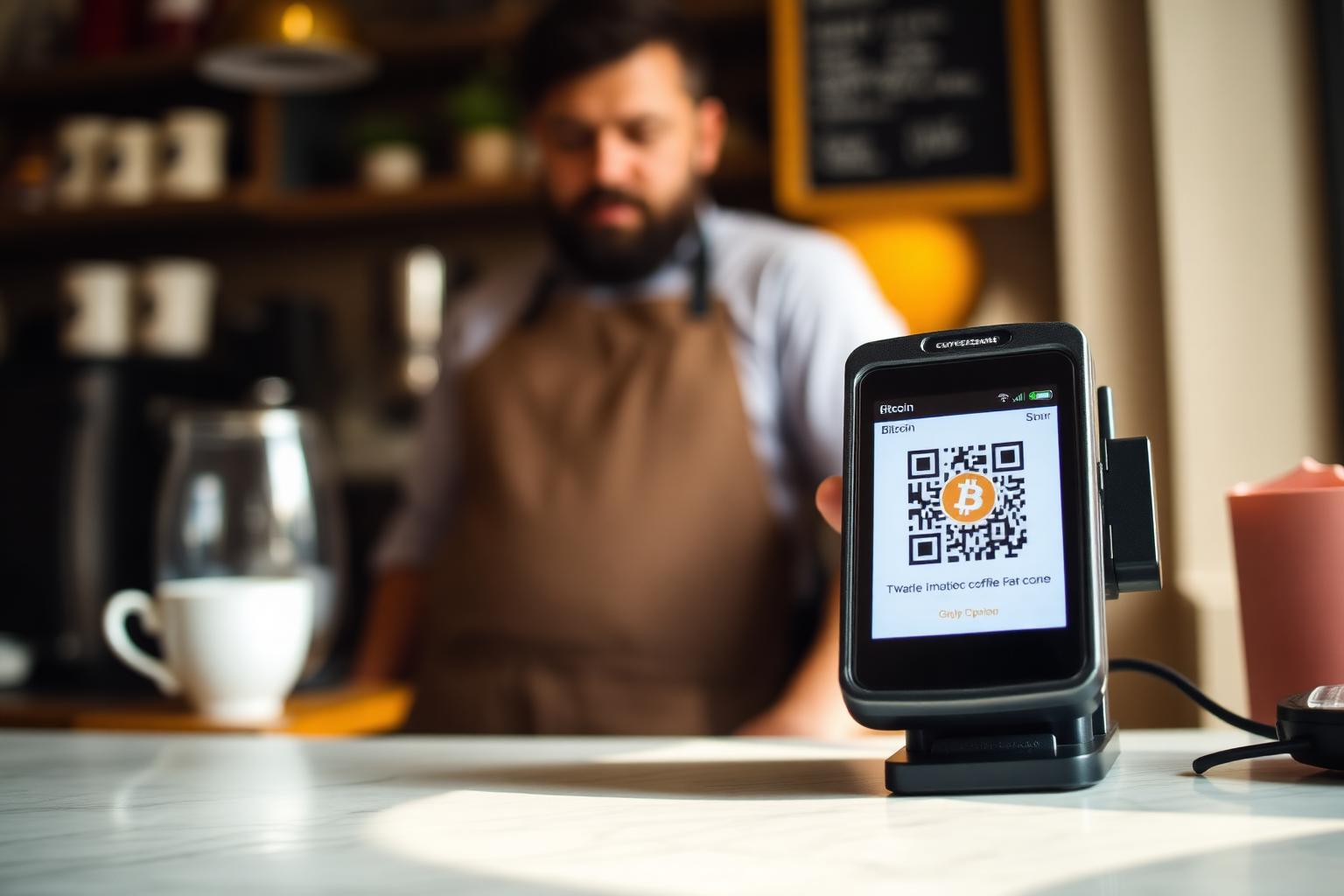
Share your wallet address for the right coin and network, then wait for the sender to transfer and the network to confirm. In your wallet or exchange account, find the "receive" option, select the coin, and it generates an address (and usually a QR code) to give the sender. Double-check it's the address for the exact coin and network they're sending.
One safety note: your public address is safe to share — that's its job. Your private key or recovery phrase is not, ever. If anyone asks for your seed phrase "to send you crypto," it's a scam; receiving only ever needs your public address. Confusing the two is a classic, costly mistake.
Network fees (often called "gas") pay the people running the blockchain to process your transaction, and they rise and fall with how busy the network is. On a congested day, an Ethereum transfer can cost noticeably more than on a quiet one. Bitcoin fees work similarly. Some networks and layer-2 systems are far cheaper — which is partly why coins exist on multiple networks.
For small transfers, high fees can be frustratingly close to the amount you're sending, so timing (sending when the network's quieter) or using a cheaper network can help. The Lightning Network, for instance, makes small Bitcoin payments almost free — our Lightning Network guide explains it. Always check the fee before confirming; wallets show an estimate.
Wrong address, wrong network, and scams — in that order. The irreversibility means an error is usually permanent. The big ones to avoid:
Do a small test transfer for anything significant and you sidestep most of these. It's the single best habit in crypto.
Can I reverse a crypto transaction if I send to the wrong address? Almost never. Blockchain transactions are irreversible, and there's no central authority to reverse them. If the address belongs to someone who won't return the funds, or doesn't exist in a recoverable way, the crypto is usually lost. Always double-check before confirming.
Is it safe to share my wallet address? Yes — your public address is designed to be shared so people can send you crypto. What you must never share is your private key or recovery (seed) phrase. Anyone asking for those is trying to steal your funds.
Why is there a fee to send crypto? Network fees pay the computers that process and secure transactions on the blockchain. They rise when the network is busy and fall when it's quiet, and they vary a lot between coins and networks.
How long does it take to send crypto? Anywhere from a few seconds to about an hour, depending on the coin and how congested the network is. Bitcoin can take longer to fully confirm; some networks are near-instant.
What is a test transaction and should I do one? It's sending a tiny amount first to confirm the address and network work before sending the full sum. For any large or first-time transfer, yes — it's cheap insurance against an irreversible mistake.
Before your first real transfer, practise with a small test amount so the flow — copy address, match network, check fee, confirm — becomes second nature. Keep long-term holdings in a wallet you control (see our cold vs hot wallet guide), guard your recovery phrase, and treat every "send to receive more" offer as the scam it is. Get the habits right and sending crypto is genuinely easy.
Journalism
We use cookies to enhance your experience. By clicking "Accept", you agree to our use of cookies for analytics. See our Privacy Policy.