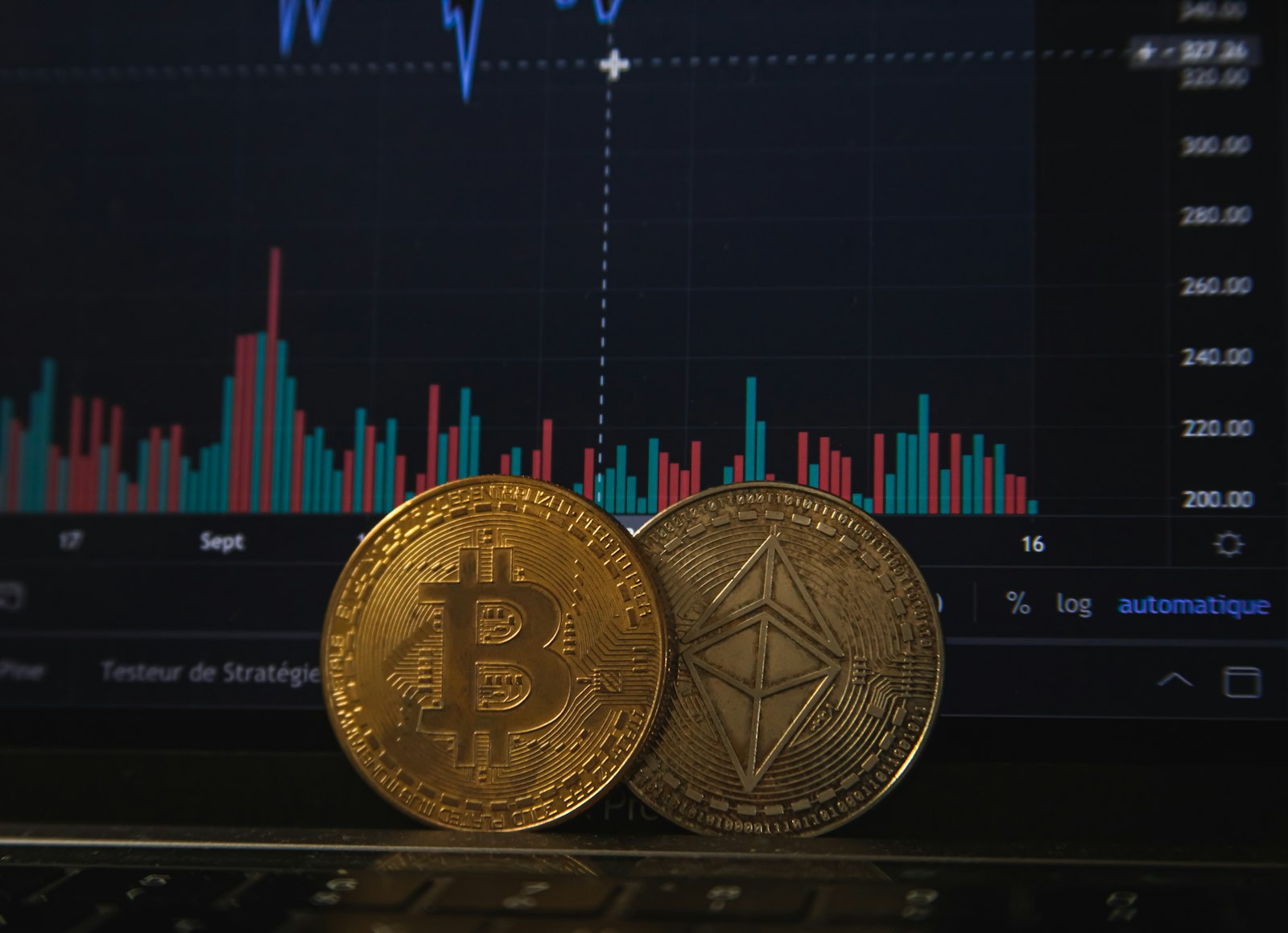
Long-term 'HODLing' means holding crypto for years through the swings; short-term trading means buying and selling for quick gains. Most people who try trading lose to those who simply hold. Here's an honest comparison for UK investors — including the tax gap.
Long-term crypto investing ("HODLing") means buying and holding for years, riding out the volatility in the belief the asset grows over time. Short-term trading means frequently buying and selling to profit from price swings. For most UK investors, the honest reality is that long-term holding is far simpler, lower-stress, and — for the vast majority — more successful, because most people who try active trading lose money to fees, taxes, and their own emotions. Short-term trading can work for a disciplined few, but it's closer to a demanding job than a shortcut to riches. Knowing which camp you're really in matters.
The trading dream — quick profits, beating the market — is seductive. The trading reality — most people underperform simply holding — is less glamorous but far better documented.
Long-term investing holds crypto for years through the cycles; short-term trading buys and sells frequently to catch price moves. A long-term holder buys an asset they believe in and largely ignores the day-to-day swings, aiming to benefit over a multi-year horizon. A short-term trader tries to profit from volatility itself — buying dips, selling rallies, sometimes within days or hours — which demands constant attention, skill, and emotional control.
They're genuinely different activities. Long-term holding is an investment approach; active trading is closer to a part-time (or full-time) job with a steep failure rate. Between them sits a middle ground like dollar-cost averaging — regularly buying and holding long-term, which suits most people. Our when to sell guide covers the exit side of a long-term plan.
For the vast majority, long-term holding — it's simpler, lower-stress, cheaper in fees and tax, and beats most people's trading results. Study after study of traditional markets shows most active traders underperform a simple buy-and-hold approach, and crypto's extreme volatility makes disciplined trading even harder. Frequent trading racks up fees, creates a taxable event on every disposal, and exposes you to emotional mistakes — buying tops, selling bottoms — that quietly erode returns.
Long-term holding sidesteps most of that. You pay fewer fees, trigger fewer taxable events, and remove the pressure of timing every move. It requires a different kind of discipline — the patience to hold through gut-wrenching drops like 2026's — but that's more achievable for most people than out-trading the market. The honest advice for a typical investor: pick quality, hold for years, and don't kid yourself that you'll beat full-time traders at their own game. This isn't financial advice.
Both create capital gains on disposals, but frequent trading generates far more taxable events — and heavy trading can even be treated as taxable trading income. Every time you sell or swap crypto, it's a disposal for capital gains tax, so a trader making dozens of transactions creates dozens of taxable events, all needing records. A long-term holder who sells rarely has far less to track and can more easily plan disposals around the £3,000 annual allowance.
There's a further wrinkle: in some cases, HMRC may consider very frequent, business-like trading to be a taxable trade (subject to income tax) rather than investment, though this is uncommon for individuals. Either way, active trading is a tax and admin burden that eats into any gains, while long-term holding is simpler on both fronts. Our how to calculate crypto gains guide, tax-free allowance guide, and reducing crypto tax guide cover the details. This isn't tax advice; heavy traders should get an accountant.
Is it better to hold crypto long term or trade it? For most people, holding long term is better — it's simpler, cheaper in fees and tax, and beats the results most active traders achieve. Short-term trading can work for a disciplined few but has a high failure rate and demands constant attention, skill, and emotional control.
What does HODL mean? HODL is crypto slang for holding an asset long-term through the ups and downs rather than selling — originally a typo of "hold." It reflects the long-term investing philosophy of riding out volatility in the belief the asset grows over time, instead of trying to trade the swings.
Why do most crypto traders lose money? Fees, taxes, and emotions. Frequent trading racks up costs and taxable events, and crypto's volatility triggers emotional mistakes — buying tops, panic-selling bottoms. Most active traders underperform a simple buy-and-hold approach, and out-trading professionals is extremely hard for retail investors.
Does short-term trading crypto mean more tax? Yes. Every sale or swap is a disposal for capital gains tax, so frequent trading creates many more taxable events to record than long-term holding. In some cases very frequent, business-like trading may even be treated as taxable trading income. Trading is a bigger tax and admin burden.
Can I make quick money trading crypto? Some do, but most don't — active trading is closer to a demanding job than a shortcut to riches, with a high failure rate and real tax and fee costs. Treating it as easy money is how people lose. For most, patient long-term investing is more reliable. This isn't financial advice.
Be honest about which investor you actually are: if you can't dedicate serious time and emotional discipline to trading, the evidence says you'll do better holding quality crypto for years and using dollar-cost averaging — while paying less in fees and tax. Don't confuse the trading dream with the trading reality. This isn't financial or tax advice. To plan disciplined exits, read our when to sell crypto guide.
We use cookies to enhance your experience. By clicking "Accept", you agree to our use of cookies for analytics. See our Privacy Policy.