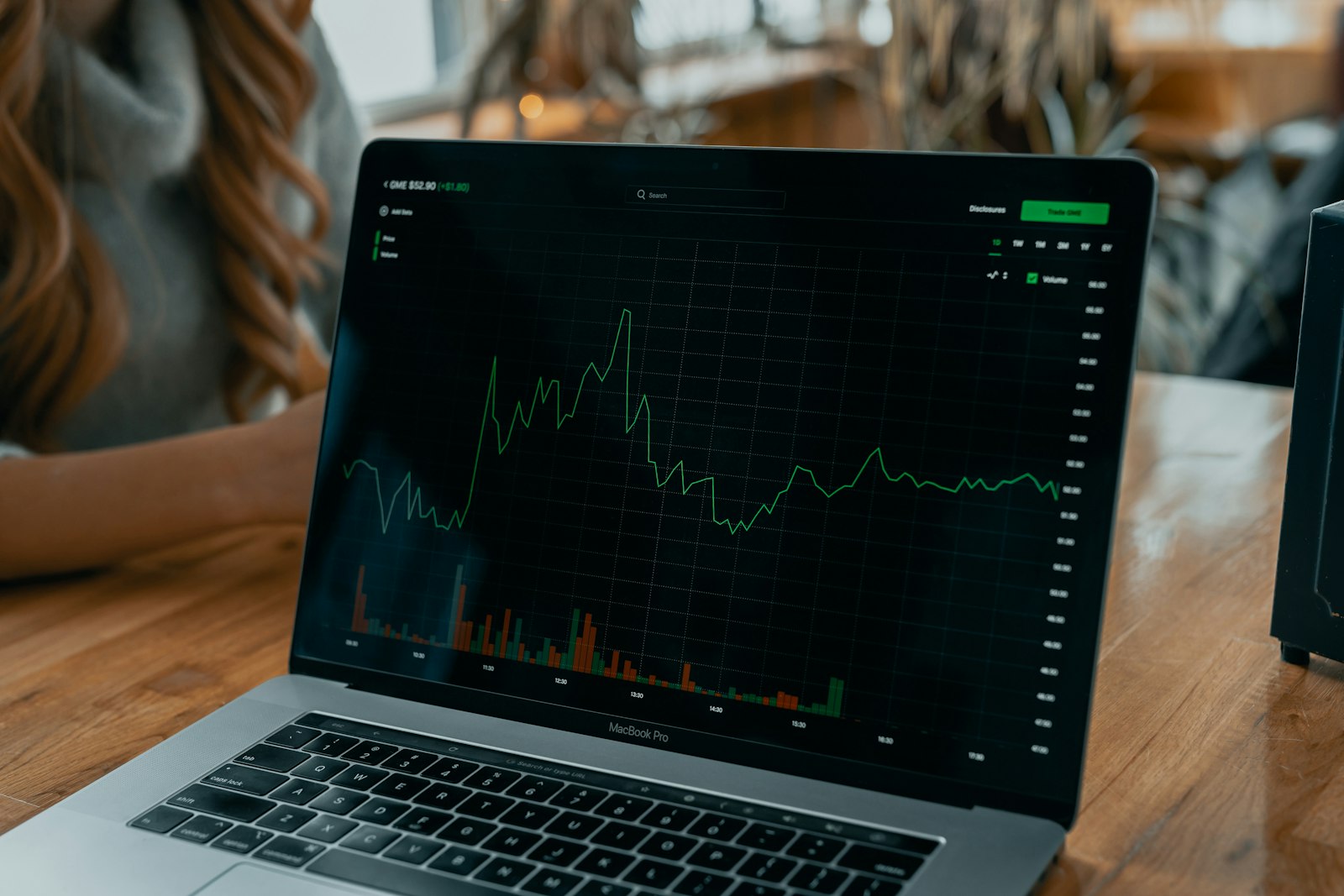
Crypto moves in cycles — bull markets of soaring prices and euphoria, bear markets of falling prices and despair. Understanding these cycles helps UK investors keep their heads. Here's what drives them, the Bitcoin halving link, and why timing them is so hard.
Crypto moves in cycles: bull markets, where prices soar for months and optimism turns to euphoria, and bear markets, where prices fall hard and enthusiasm curdles into despair. Understanding these cycles is one of the most useful things a UK investor can do, because it reframes a crash from "crypto is dying" to "this is the bear phase, which has happened before." Cycles are driven by a mix of investor psychology, macroeconomics, and — for Bitcoin — the roughly four-year halving rhythm. But here's the catch: knowing cycles exist doesn't let you time them, and assuming the next one will match the last is a trap.
The value of understanding cycles isn't prediction — it's perspective. It's what stops you panic-selling at the bottom or believing the hype at the top.
A bull market is a sustained period of rising prices and optimism; a bear market is a sustained period of falling prices and pessimism. In a crypto bull market, prices climb for months, new money floods in, media coverage turns glowing, and euphoria builds — often ending in a blow-off top. In a bear market, prices fall sharply (often 50–80% from the peak), sentiment collapses, projects fail, and people declare crypto finished — usually near the point of maximum pessimism.
Crypto's cycles are more extreme than most markets. Where shares might fall 20% in a bear market, crypto routinely falls far more, and its bull runs can be equally dramatic. The 2026 slump, with Bitcoin down over 30% from its high amid high interest rates, is a bearish phase driven largely by macro conditions — our high interest rates and crypto guide explains that backdrop. Recognising which phase you're in helps you keep perspective.
Investor psychology, macroeconomics, and — for Bitcoin — the halving. Three main forces:
These interact, which is why cycles aren't clockwork. The halving gets a lot of attention, but macro conditions can override its historical pattern entirely — a reason to be sceptical of anyone claiming the cycle guarantees a specific outcome. Sentiment tools like the Fear and Greed Index can hint at where in the emotional cycle the market sits.
Not reliably — knowing cycles exist is useful for perspective, but predicting their turns is extremely hard, even for professionals. Every cycle looks obvious in hindsight and murky in real time. Tops and bottoms are only clear after they've passed, and "this time is different" has burned both bulls (at tops) and bears (at bottoms). Assuming the next cycle will mirror the last — same shape, same timing, same halving effect — is a classic mistake, because macro conditions and market maturity change.
So what's the practical use? Perspective and discipline. Understanding cycles helps you avoid euphoria at tops and despair at bottoms, and supports strategies that don't depend on timing — like dollar-cost averaging through the cycle and sensible risk management. Use cycles to manage your emotions, not to predict prices. This isn't financial advice; crypto is volatile and unregulated with no FSCS protection.
What is a crypto bull market? A sustained period of rising crypto prices and growing optimism, often lasting months, where new money flows in and sentiment builds toward euphoria. Bull markets can end in a sharp "blow-off top" when enthusiasm peaks. They're the opposite of bear markets.
What is a crypto bear market? A sustained period of falling crypto prices and pessimism, where values often drop 50–80% from their peak, projects fail, and many declare crypto finished — frequently near the point of maximum despair. The 2026 slump has bearish characteristics driven largely by high interest rates.
What drives crypto market cycles? Investor psychology (greed and fear amplifying moves), macroeconomics (interest rates and risk appetite), and, for Bitcoin, the roughly four-year halving that cuts new supply. These forces interact, so cycles aren't clockwork and macro conditions can override historical patterns.
Can I time the crypto market cycle? Not reliably. Tops and bottoms are only obvious in hindsight, and even professionals struggle to predict turns. Assuming the next cycle mirrors the last is a common mistake. Cycles are useful for perspective and emotional discipline, not for precise timing.
Does the Bitcoin halving cause bull markets? The halving cuts Bitcoin's new supply roughly every four years and has historically preceded cycle peaks, but it's not a guarantee. Macroeconomic conditions can override the pattern. Treating the halving as a certain trigger for a bull market is speculation, not a reliable rule.
Use your understanding of cycles for perspective, not prediction: when the market is euphoric, stay grounded; when it's in despair (as in parts of 2026), remember bear phases have happened before. Pair that mindset with timing-independent habits like dollar-cost averaging and disciplined risk management. This isn't financial advice. To manage the swings, read our crypto risk management guide.
We use cookies to enhance your experience. By clicking "Accept", you agree to our use of cookies for analytics. See our Privacy Policy.