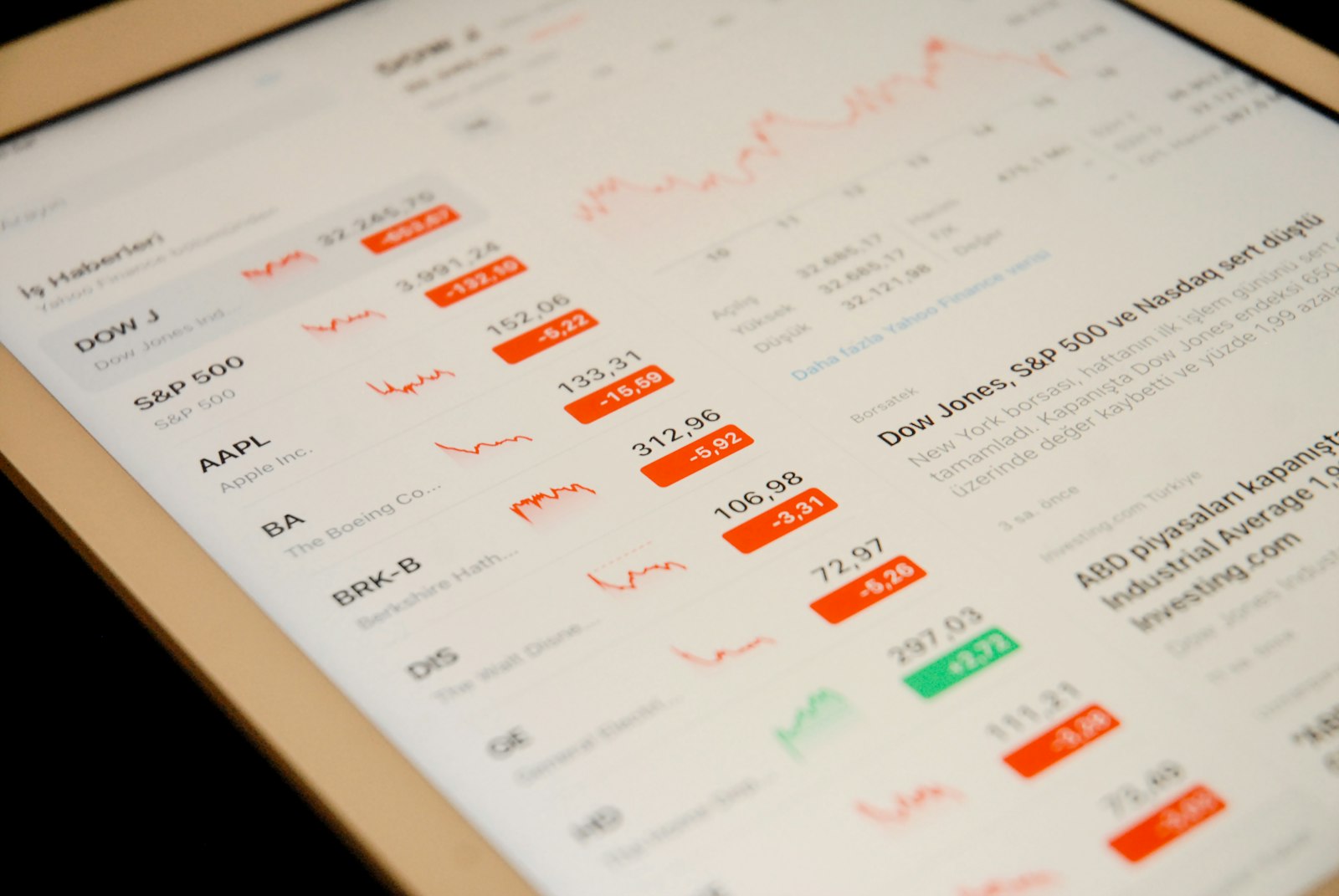
There's no official rule, but many cautious investors keep crypto to a small slice — often cited as 1–5% — of their overall portfolio, precisely because it's so volatile. Here's how to think about crypto allocation sensibly as a UK investor, without the hype.
There's no official rule for how much of your portfolio should be in crypto, but a common approach among cautious investors is to keep it small — often cited as somewhere in the 1% to 5% range — precisely because crypto is so volatile and unregulated. The logic is simple: a small allocation lets you benefit if crypto rises, without a crash wrecking your overall finances. The right figure for you depends on your age, goals, income stability, and how much loss you could genuinely stomach. For most people, crypto should be a garnish on a portfolio, not the main course.
The honest truth is that the people who get hurt in crypto usually aren't the ones who allocated 3% — they're the ones who put in money they needed, or bet the house chasing gains. Sizing is the whole game.
For many, a small slice — frequently suggested as 1–5% — though there's no one-size-fits-all answer. Financial commentators often frame crypto as a "high-risk, small-allocation" asset: enough to matter if it does well, small enough that a total loss wouldn't derail your life. Some risk-tolerant investors go higher; many cautious ones hold none at all. The key is that the figure should reflect your circumstances, not a number you saw online.
Why keep it small? Because crypto can fall 50%, 70% or more, and it carries no FSCS protection. If a 3% allocation halves, you lose 1.5% of your portfolio — annoying, not ruinous. If a 50% allocation halves, that's a life event. The FCA's guidance to "be prepared to lose all the money you invest in crypto" only makes sense if the amount is one you could actually afford to lose. Our how much to start guide covers the beginner angle.
Your risk tolerance, time horizon, financial stability, and existing safety net — not hype or fear of missing out. The factors that genuinely matter:
Notice that most of these are about your wider financial life, not about crypto itself. That's the point: allocation is a personal finance decision first. If you don't yet have an emergency fund or you're carrying credit-card debt, the honest answer on crypto allocation is often "0% for now." This isn't financial advice, but it's the framework a sensible planner would use.
As a small, high-risk satellite around a diversified core of mainstream investments. Most diversified portfolios centre on things like broad stock-market funds, bonds, and cash, with crypto — if included at all — as a tiny, speculative addition. The idea is that crypto's potential upside is asymmetric (a small amount can grow a lot) while its downside is capped at what you put in.
Within any crypto allocation, further diversification matters too — concentrating everything in one obscure coin is riskier than spreading across more established ones, though all crypto is risky. Our crypto diversification guide covers that, and our risk management guide covers position sizing. Whatever you decide, rebalancing occasionally — trimming crypto if it balloons to a bigger share than you intended — keeps your risk in check. Remember that selling to rebalance is a taxable disposal, as our capital gains guide explains.
What percentage of my portfolio should be in crypto? There's no official rule, but many cautious investors keep crypto to a small slice, often cited as 1–5%, because it's volatile and unregulated. The right figure depends on your risk tolerance, time horizon, and finances. For some, the sensible answer is none.
Is 10% of my portfolio too much for crypto? It could be, depending on your circumstances — 10% in a volatile, unprotected asset is a significant risk. Some risk-tolerant investors accept it; many advisers would consider it high. What matters is whether you could handle that portion falling sharply without financial or emotional harm.
Should I put my emergency fund into crypto? No. An emergency fund needs to be safe and accessible, which crypto is not. Crypto can fall sharply exactly when you might need the money. Build three to six months of accessible savings first, then consider crypto only with money you can afford to lose.
How do I decide my crypto allocation? Base it on your risk tolerance, time horizon, financial stability, and whether you have an emergency fund and are free of expensive debt. Crypto allocation is a personal finance decision first. Only after your foundations are solid should you size a small, affordable allocation.
Should I rebalance my crypto allocation? Many investors rebalance occasionally — trimming crypto if it grows to a larger share than intended — to keep risk in line with their plan. Remember that selling crypto to rebalance is a taxable disposal in the UK, so factor in capital gains and keep records.
Before picking a crypto percentage, check your foundations: emergency fund in place, expensive debt cleared, and a clear-eyed sense of how much loss you could handle. Then size crypto as a small, affordable slice — for many, that's a low single-digit percentage — and rebalance if it drifts. This isn't financial advice. To spread risk within that allocation, read our crypto diversification guide.
Journalism
We use cookies to enhance your experience. By clicking "Accept", you agree to our use of cookies for analytics. See our Privacy Policy.